Report: Tackling climate change nets 4.5 million jobs


ASES/MISI analysis shows that renewable energy and
energy efficiency can reduce U.S. carbon emissions 60-80%,
generate millions of jobs and are revenue neutral or better


DOWNLOAD THE REPORT:

Tackling Climate Change: Jobs Report - Summary (pdf - 1MB) >
Tackling Climate Change: Jobs Report - Full (coming soon!) >

ADDITIONAL RESOURCES:
Tackling Climate Change: Carbon Emissions Report (2007) >
Green Job Report (January 2009) >
How to land a green job >

A new report suggests that tackling climate change will be a major net job creator for the U.S. economy. According to the report, aggressive deployment of renewable energy and energy efficiency can net up to 4.5 million new U.S. jobs by 2030 and provide the greenhouse gas emission reductions necessary to tackle climate change.

The report entitled, Estimating the Jobs Impact of Tackling Climate Change, was released today during a news conference in Washington, D.C. The study was released by the nonprofit American Solar Energy Society (ASES) based in Boulder and Management Information Services, Inc. (MISI) based in Washington, D.C.

According to the analysis, renewable energy and energy efficiency deployment costs would be revenue neutral (or better), as costs to implement the technologies are offset by savings from lower energy bills, making total net costs near zero.

“The twin challenges of climate change and economic stagnation can be solved by the same action—broad, aggressive, sustained deployment of renewable energy and energy efficiency,” said Brad Collins, ASES’ Executive Director, “the solution for one is the solution for the other.”

This jobs report offers the most detailed analysis yet on the potential role of the new energy economy in tackling climate change.

Report findings show that:

  • Aggressive deployment of renewable energy and energy efficiency can net 4.5 million new jobs by 2030. These jobs are not limited to certain regions or sectors – they are widely dispersed throughout the U.S. in virtually all industries and occupations.
  • Hot jobs spurred by this new economic growth span a diverse range of skills and experience and include: electricians, plumbers, carpenters, administrative assistants, machinists, cashiers, management analysts, civil engineers, and sheet metal workers.
  • Renewable energy and energy efficient technologies could displace approximately 1.2 billion tons of carbon emissions annually by 2030 – the amount scientists believe is necessary to prevent the most dangerous consequences of climate change.
  • Approximately 57% of carbon emissions reductions would be from energy efficiency and 43% would be from renewable energy.
  • Energy efficiency measures can allow U.S. carbon emissions to remain about level through 2030, while renewable technologies can provide large reductions in carbon emissions below current levels
  • Industries showing the largest job gains include: construction, farming, professional services, public sector, retail, truck transportation, fabricated metals and electrical equipment.
  • The construction industry directly benefits from almost all the growing renewable energy and energy efficiency sectors as well as from improvements in overall economic growth due to energy savings. Farming directly benefits from biomass and biofuel technology growth.
  • Many of these jobs can not be easily outsourced due to the on-site nature required by these roles.
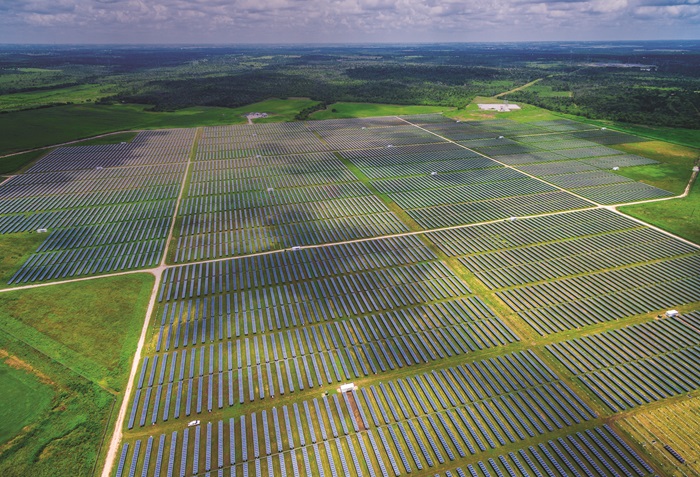
  • The greatest numbers of renewable energy jobs are generated by solar photovoltaics, biofuels, biomass, and concentrating solar power sectors.


The report suggests that policy can play a significant role in both generating jobs and mitigating carbon emissions.

“For job growth the status quo is no match for innovation,” said Mr. Collins. “Congress can help get the economy back on track with smart energy policy - reduce energy consumption in buildings by 50%; adopt an aggressive national renewable portfolio standard; commit to end dependence on foreign oil by 2025; and implement an upstream cap and auction system to manage greenhouse gases at the points where they first enter the energy economy.”

This report analyzed the job potential of improving energy efficiency in buildings, transportation, and industry, and assessed six renewable energy technologies: concentrating solar power, photovoltaics, wind power, biomass, biofuels, and geothermal power. Estimates in this report refer to net jobs since advancing new energy technologies can both create new jobs and displace jobs from less efficient industries. This report suggests that, in total, more than 4.5 million more jobs can be created by tackling climate change than would be lost.

This new report builds on the findings of ASES’ groundbreaking report Tackling Climate Change in the U.S.: Potential Carbon Emissions Reductions From Energy Efficiency and Renewable Energy by 2030 edited by Chuck Kutscher.


DOWNLOAD THE REPORT:
Tackling Climate Change: Jobs Report Summary